
Dating as a Black single in Kentucky is less about finding one best app and more about building a search that fits the state's uneven geography. For Black singles dating in Kentucky, the practical route is to compare a close-in city search with a measured statewide radius, use both Black-focused and mainstream services, and screen early for respect and realistic travel. Louisville, Lexington, Northern Kentucky, and smaller communities call for different settings, not different standards for compatibility.
Published by Match Pace
Kentucky’s Match Pool Changes Sharply by Region
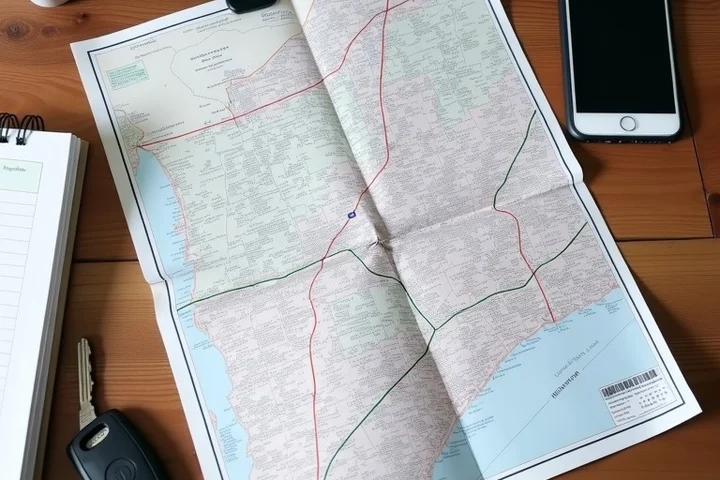
Kentucky does not function as one local dating market. A search centered on Louisville or Lexington can begin close to home, then widen in measured stages if the conversations are not producing compatible prospects. A Louisville profile may test Lexington later, and a Lexington profile may do the reverse, only when the resulting trip fits both people's routines. Northern Kentucky, including Covington, needs its own map: people near the state line may have workable cross-border connections, while a statewide setting can quickly create long-distance logistics.
In smaller communities, a narrow radius can make the app feel quiet even when compatible people are simply farther away or not using that particular service. A practical setup separates nearby matches who could meet after work from statewide matches who require advance planning. This keeps a limited local feed from becoming a verdict on the available pool.
Thin Results May Reflect Radius or Platform Fit
- Signal: The same small group of profiles appears repeatedly Likely Cause: The distance setting may be too tight for the area, or the service may have limited local activity. Practical Test: Expand the radius one step for several days while keeping core relationship and age preferences steady. Trade-off: More profiles can also mean more travel planning, so the expanded setting needs a clear time limit.
- Signal: Profiles appear, but few fit the relationship goal Likely Cause: Several strict filters may be removing people who would otherwise be worth a conversation. Practical Test: Keep non-negotiables in place and temporarily relax one preference that is genuinely flexible. Trade-off: A broader feed should not require compromising on safety, respect, or relationship intent.
- Signal: Views or matches are limited across more than one distance range Likely Cause: The profile may not give enough information about location, daily life, or what compatibility means to the person viewing it. Practical Test: Add a current location area, a few specific interests, and a plain statement of dating intentions. Trade-off: Location context can aid planning without disclosing a home address, workplace, or daily route.
- Signal: One app feels inactive while another produces conversations Likely Cause: Platform fit may be the issue rather than Kentucky's overall pool. Practical Test: Compare results across one Black-focused service and one mainstream app over the same short period. Trade-off: Parallel use takes more attention, so notification settings and conversation limits help keep it manageable.
When a Promising Match Lives Across the State
Statewide distance becomes real when a good conversation needs a calendar. A Louisville-to-Lexington connection needs a plan that accounts for door-to-door road time, work schedules, and how often each person can reasonably make the trip. A Bowling Green match may be appealing, yet a weekday meeting could be much less workable than a planned weekend afternoon. Map radius matters less than the actual time, cost, and recovery time attached to a visit.
Early conversations can cover meeting frequency, who travels, and whether either person expects overnight stays. A short video call before a longer drive helps establish basic comfort and consistency. First in-person meetings are better kept public, time-bounded, and convenient to both people; one person should not routinely absorb the driving or arranging burden. A connection has a sturdier foundation when its travel pattern can continue after the novelty of matching fades.
Community Routes Beyond App Discovery
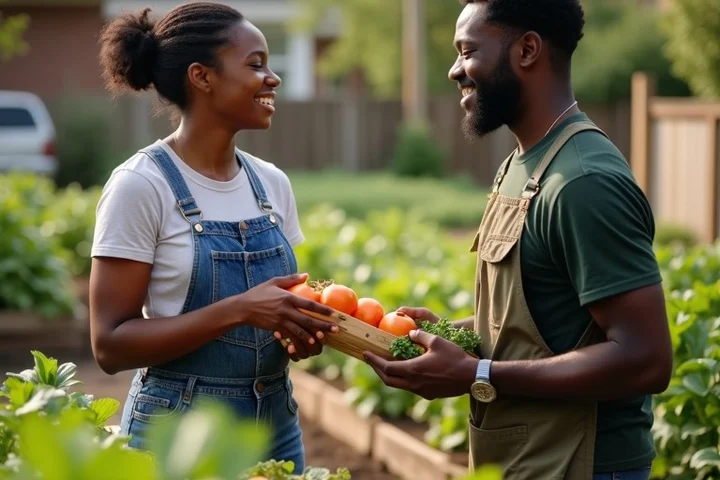
Recurring community involvement can widen the pool without turning every outing into a search for a date. Professional associations, cultural organizations, faith communities, alumni networks, volunteer projects, and interest-based groups create repeated contact and give people more context than a first profile photo. The useful unit is repetition: a monthly service project, regular class, committee, or group activity leaves room for ordinary conversation and for mutual connections to develop.
For someone based in Louisville or Lexington, a recurring group can also make app dating more efficient by clarifying the social calendar already available for future plans. In a smaller Kentucky community, participation may connect a person to regional networks that extend beyond the immediate town. Community spaces are not a substitute for clear dating intentions, but they can reduce reliance on a single app feed and make introductions feel less transactional.
Broaden the Pool Without Tolerating Racial Stereotypes
A wider Kentucky radius does not require accepting attention that feels reductive. A profile can communicate identity as part of a full life, alongside interests, values, relationship goals, and boundaries. Early warning signs include interest that begins and ends with race, claims about what Black people are supposedly like, comments that treat identity as an experience to collect, or coded assumptions about personality, background, body, or role in a relationship.
Respectful interest leaves room for an individual answer and does not become defensive when a boundary is stated. Dismissive reactions, repeated intrusive questions, pressure to move off-platform quickly, or attempts to isolate a person from their usual routines are sufficient reasons to disengage. Blocking and reporting through the app can preserve both time and privacy.
For a match involving travel between Kentucky cities, basic screening matters before either person commits to a long drive. A video call can confirm conversational ease, while a public first meeting with separate transportation keeps the plan reversible. Identity respect and practical safety should remain intact whether the match is nearby, across the state, or just over the Northern Kentucky border.
Identity-Focused Platforms Provide Context While Mainstream Apps Provide Scale
BLK presents itself as a dating and lifestyle app for the Black community, while BlackPeopleMeet is positioned as a dating service for Black singles. That context may make it easier to present identity without making it the entire profile. Hinge, Bumble, and Tinder are broader dating apps that can be useful for testing reach around Louisville, Lexington, or a wider Kentucky radius. Active local availability cannot be assumed on any service, so a short parallel comparison is more useful than a brand ranking. Profile language, location settings, available filters, and block or report controls deserve the same review on every platform.
A workable Kentucky dating search balances nearby opportunity with the real demands of travel, especially outside Louisville, Lexington, and Northern Kentucky. Using more than one platform, keeping identity boundaries clear, and treating distance as a shared responsibility creates a more sustainable path than chasing the largest possible radius.
Where the factual details come from
- BLK — official information — BLK
- BlackPeopleMeet — official information — BlackPeopleMeet
- Kentucky — official information — Kentucky
- Louisville — official information — Louisville
- Lexington — official information — Lexington
- Hinge — official information — Hinge