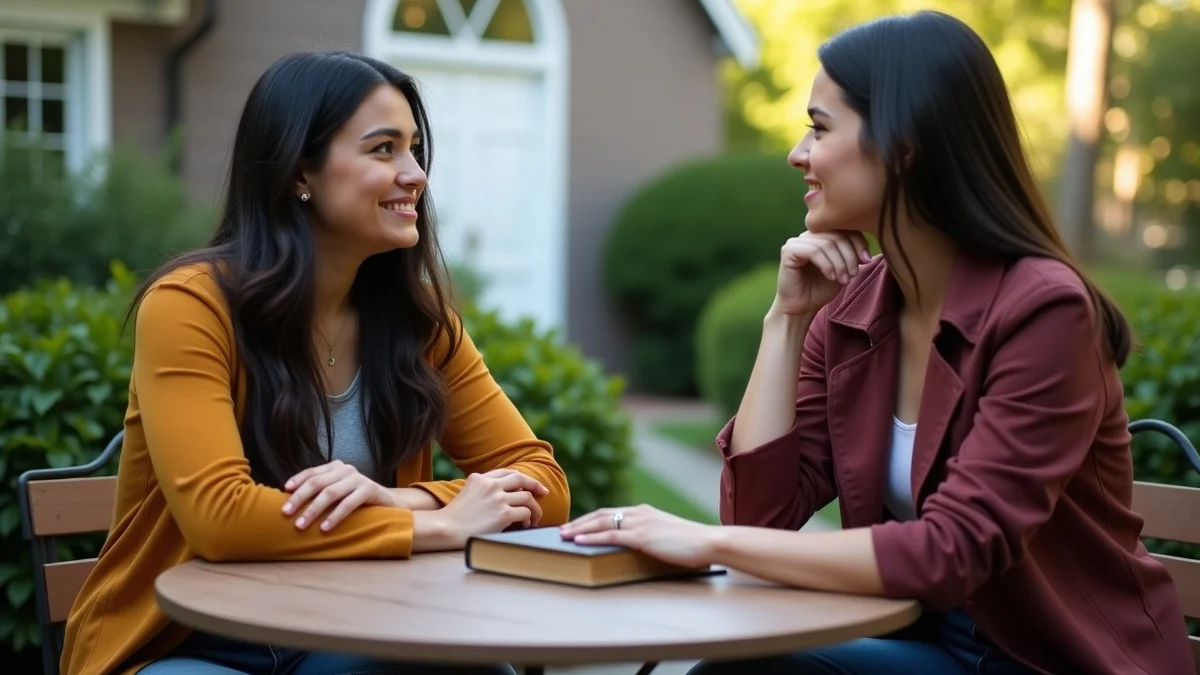
Christian singles in Tacoma can find better-aligned matches by describing how faith shapes daily life, using a realistic Pierce County search area, and discussing relationship intentions before a first date. A Christian label or church attendance alone rarely settles the questions that matter most. Compatibility has more to do with worship rhythms, service commitments, boundaries, family hopes, denominational flexibility, and whether two people can make time for one another in the same regional routine.
Published by Match Pace
Christian identity becomes more useful when practice and intention are specific

For dating purposes, Christian identity carries more weight when it explains a lived pattern rather than functioning as a broad category. Someone who worships weekly, serves through a congregation, and wants prayer to be part of a future relationship may be seeking a different rhythm from someone whose faith is sincere but more private or occasional. Neither approach is automatically better. They simply affect weekends, social circles, expectations around community, and the amount of church life a relationship will share.
Denomination can matter, though it need not become an early test. The useful details are practical: whether each person expects to remain deeply involved in a particular congregation, how comfortable they are dating across Christian traditions, and whether shared worship matters to them over time. Relationship intention belongs in the same picture. A person seeking marriage, a serious relationship that may lead there, or a slower period of discernment can say so plainly. That specificity gives Tacoma singles a fairer basis for deciding whether a match merits time.
A broad radius may conceal a difficult cross-region routine
A workable Tacoma dating radius is less about an impressive number of miles than repeatable travel time. Pierce County may offer a more sustainable starting area when both people can manage an evening meeting, a weekend plan, and their existing commitments without turning every date into a logistical project. Work locations, child-care responsibilities, worship schedules, volunteer roles, and preferred days for rest all shape that calculation. A match who looks nearby on a map can still be difficult to see regularly if the practical route does not fit either person’s week.
Expanding from Tacoma toward Seattle can widen the pool, but it also introduces a cross-region routine that needs honest attention early. The question is not whether a first meeting can happen; many can. The more revealing question is whether both people have comparable capacity to travel after the initial enthusiasm settles. Travel conditions vary by route and time of day, so the relevant timing is each person’s actual schedule, including Sunday church involvement and weeknight obligations. A smaller Pierce County radius may produce fewer profiles, yet it can make consistent dating and eventual shared community more realistic.
When attraction begins inside a church community
Church communities can make an introduction feel warmer because people already share a setting, but that familiarity also raises the stakes. A casual invitation should remain exactly that. Leaders, ministry coordinators, and mutual friends do not need to become advocates for a match, and a person who declines should not have to explain the decision to the wider group. Attraction does not create a claim on someone’s fellowship space.
Respect after a refusal is what preserves ordinary participation. Both people should be able to attend worship, serve, join a small group, or see mutual friends without awkward follow-up, persuasive conversations, or social pressure. If dating does develop, keeping early details private helps the community remain a community rather than an audience. Shared church involvement can reveal character over time, but it is not a shortcut around learning how two people handle interest, disappointment, and consent.
Faith-centered profile language with concrete meaning

A faith-centered profile becomes clearer when it names ordinary realities: regular worship, a service commitment, prayer as a personal practice, or a hope to build a relationship with room for faith and community. Relationship intent can be equally direct, whether the person is dating seriously with marriage in mind or seeking a committed partnership that develops at a measured pace.
Vague declarations leave too much for strangers to fill in. A profile need not list doctrinal requirements or presume that another Christian practices faith in the same way. It can state what matters personally, note openness or limits around traditions, and leave room for a respectful conversation.
Clarify what a faith-compatible relationship looks like before meeting
Early conversation can cover a few focused areas without becoming an interrogation. Congregation involvement reveals how much communal church life shapes a typical week. Denominational flexibility shows whether a future relationship would require one person to abandon an important spiritual home. Family expectations may include the role relatives play, hopes around children, or the degree to which faith is woven into family gatherings. Physical boundaries deserve equal clarity, particularly when each person understands Christian dating ethics differently.
Long-term intention gives these details their context. Two people may share a desire for marriage while differing on timing, readiness, or what a healthy period of dating looks like. They may also agree that faith matters while holding different expectations about worshiping together, serving together, or joining each other’s church circles. Those are not details to settle all at once. They are useful topics for determining whether a public first meeting in Tacoma will be an honest next step rather than a vague gesture.
A first meeting can be public and ordinary without minimizing shared faith
A short first meeting in a public Tacoma setting leaves room for ordinary conversation: work, routines, interests, faith practice, and the practical distance between two lives. Each person can arrive and leave independently, which supports safety and removes pressure. Shared faith remains part of the conversation, but it does not have to make the first encounter unusually intimate.
Meeting immediately through a worship service, a small group, or a congregation event can blur dating interest with community participation before either person knows whether the connection is mutual. A simple public meeting creates space to assess warmth, respect, and consistency without placing the church community in the middle. If there is mutual interest, faith and congregation life can enter the relationship gradually and with clearer consent.
For Christian singles in Tacoma, the strongest starting point is not a broad faith label or the widest possible radius. Clear practice, realistic Pierce County logistics, and respectful early conversation make room for a relationship that can function beyond the first match.