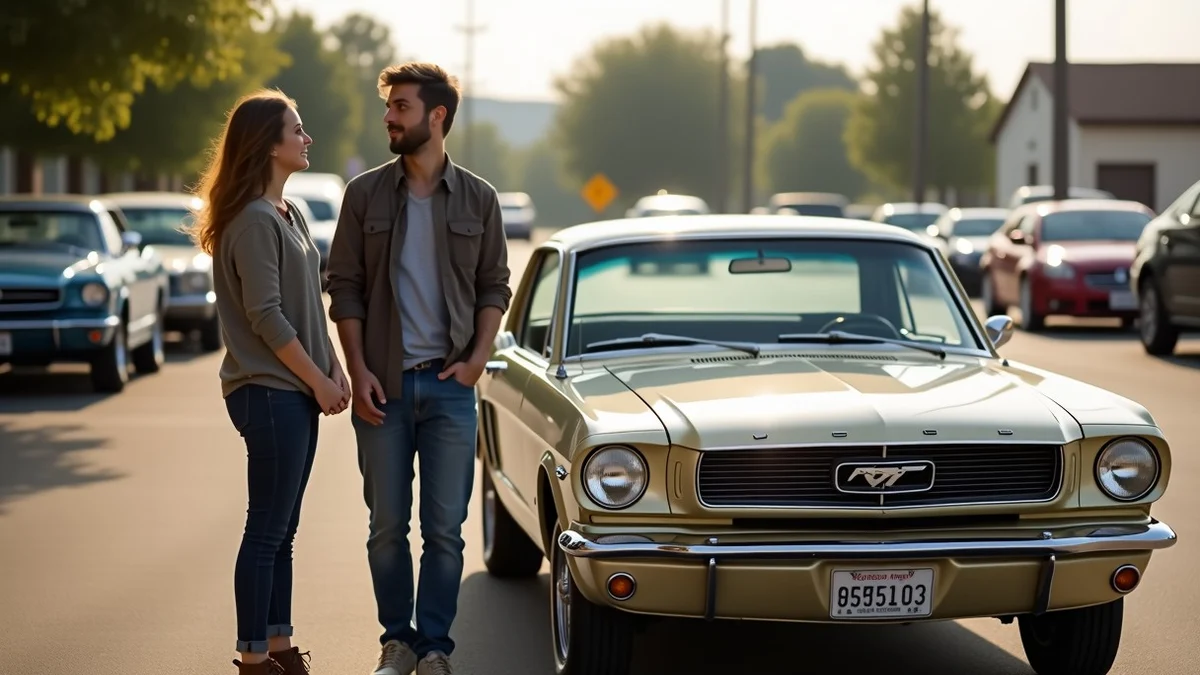
A shared automotive interest can make dating easier because it supplies natural plans, stories, and conversation starters. Dating for car enthusiasts looking for companionship works best when cars are presented as one route to shared time, while relationship intent, emotional connection, and everyday compatibility remain visible. A match does not need to own the same kind of vehicle, know technical details, or attend every event to be a meaningful companion.
Published by Match Pace
Companionship may include shared outings without requiring identical hobbies
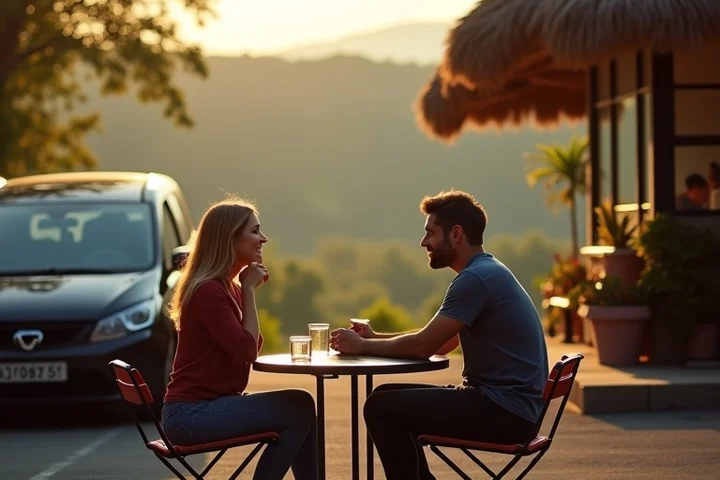
Companionship can include regular outings, affection, emotional support, easy conversation, and the feeling that someone is present in ordinary life as well as enjoyable moments. For one car enthusiast, that may look like a partner who joins a relaxed weekend drive and stays for lunch afterward. For another, it may mean someone who never attends a show but listens with interest after a long day in the garage and makes room for the hobby in a shared schedule.
Those examples ask for different levels of automotive participation, yet both leave room for closeness. A person who owns a different vehicle, prefers being a passenger, or has no interest in wrenching may still align on reliability, kindness, affection, and the hope of building a relationship. The useful detail is not whether both people can identify every model; it is whether the time together feels mutual rather than organized around one person's hobby.
At a car show, curiosity matters more than technical expertise
At a car show, an opening can stay respectful by focusing on the other person's experience rather than testing knowledge. Someone standing near a vehicle may be its owner, may have come with a friend, or may simply enjoy the atmosphere. A low-pressure opener such as “What brought you to this one?” lets them define their connection to the event. An engaged reply often has detail, a return question, or relaxed body language; a brief answer followed by turning away calls for a polite exit rather than a second attempt.
When the conversation does open up, vehicle talk can reveal the kind of companionship a person wants. A discussion of a favorite road trip can move toward travel preferences, food stops, music, or how they spend a free Sunday. Someone excited by track days may also prefer early mornings and long drives; someone who enjoys classic-car shows may care more about local outings and history. The shift matters because an event conversation that remains only about specifications gives neither person much information about daily life.
A person who says they enjoy the social side of meets does not need to prove technical skill. Similarly, a highly knowledgeable enthusiast need not turn every exchange into a correction. Interest becomes a better signal when both people make space for the other person's perspective, whether it is motorsports, design, photography, a scenic drive, or simply an afternoon outdoors.
A balanced profile for driving, events, and everyday life
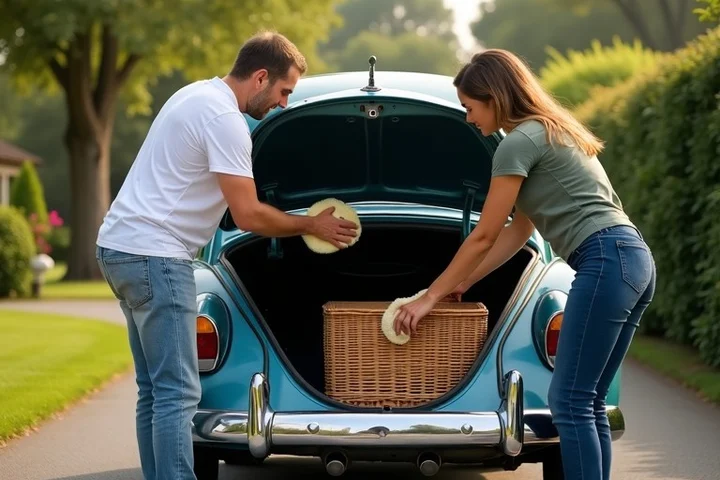
A profile centered only on build details or a long list of vehicles can make companionship hard to picture. A more complete version pairs the automotive interest with the life around it: weekend drives, occasional shows, work or home routines, other ways of relaxing, and the kind of connection sought. For example, a profile can mention enjoying vintage-car events and scenic routes, then add that a good relationship includes unhurried meals, dependable communication, and making plans together. This gives a match several ways to respond, including if they admire cars but do not share the same depth of interest. Photos can follow the same balance: one connected to the hobby and others that show everyday interests without revealing a home address, license plate, or regular route.
Shared enthusiasm can coexist with different vehicles and skill levels
Compatibility has more to do with boundaries around the hobby than with matching vehicle preferences. A classic-car enthusiast may enjoy slow drives and weekend shows, while a partner may prefer scenic destinations and have little interest in the vehicle itself. That pairing can work when both enjoy the outing and neither expects the other to perform enthusiasm on demand.
Time is often more revealing than taste. One person may spend most Saturdays wrenching, travel frequently for motorsports events, or want long-distance drives. Another may enjoy an occasional event but protect weekends for family, rest, or other activities. Early conversation about frequency prevents an assumption that companionship means automatic attendance at every meet or trip.
Spending deserves the same plain treatment. A person can value a hobby without expecting a partner to fund parts, travel, tickets, or upgrades. Noise tolerance, passenger comfort, and appetite for hands-on work also shape the experience. Someone who dislikes loud exhaust or long rides may still be an excellent companion for shows, meals, and quieter drives.
Different skill levels are not a gap to solve. The stronger sign is whether each person respects the other's limits and interests: a knowledgeable owner who enjoys explaining without lecturing, or a newcomer who is curious without being pressured to become a mechanic.
State what role the hobby should play in a relationship
The clearest profiles and early conversations name the expected role: a partner who regularly joins drives and events, someone welcome on occasional outings, or someone who simply respects dedicated hobby time. Mainstream dating communities can suit the second and third expectations because a match may connect first around broader values and routines. Car-focused communities can make sense when regular automotive participation is central to companionship. In either setting, clarity keeps a shared interest from being mistaken for the whole relationship.
Cars can create an easy first connection, but companionship grows through shared expectations, everyday attention, and room for each person to remain themselves. A balanced approach makes the hobby inviting without making it the entry requirement for closeness.