
Dating for Christian singles seeking a second chance at love works best when you approach it as a new relationship, not a test of whether the past has disappeared. Get clear about the partnership you want, take time to learn who someone is, and build a profile that shows how faith shapes your daily life. Divorce, widowhood, and a painful breakup can be part of your story without defining all of it.
Published by Match Pace
A second chance can begin with a more honest definition of readiness
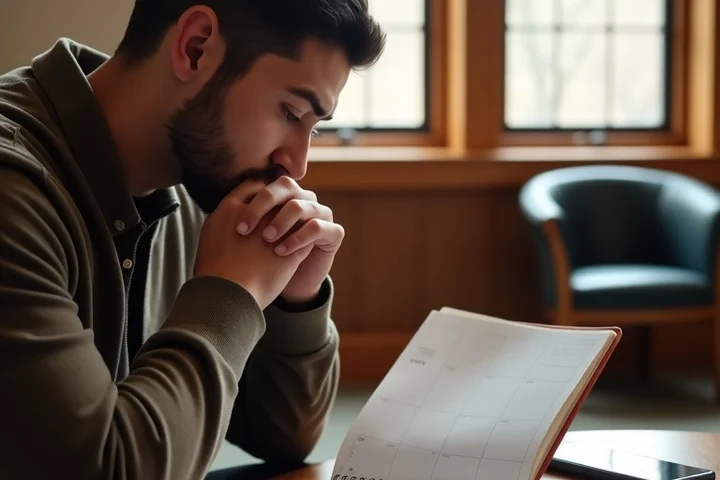
Readiness shows in the time, attention, and direction you bring to dating. You have something to give another person, can discuss your past without steering every conversation back to it, and know what pace feels responsible. You also have a clear picture of the Christian partnership you hope to build: perhaps care, shared faith practice, honesty, family-mindedness, service, or marriage-minded commitment. The picture need not sound grand or finished. It needs to reflect your life. Missing a former spouse, grieving a loss, or regretting parts of a breakup does not rule out dating; the important question is whether you can get to know somebody new as their own person.
Past relationship history can distort new-match signals
A major relationship ending can make everyday dating signals seem bigger than they are. Warm attention can feel like proof of deep compatibility after a lonely stretch. A small disagreement can set off alarm when earlier conflict was painful. You might also measure a new match against a former spouse or partner: humor, faith habits, family style, communication, or even weekend planning. That impulse makes sense, but a stranger cannot pass a test built from a relationship they never shared. Let a new match meet the person you are today.
Your history can push a profile toward two unhelpful extremes. Concealing divorce or widowhood completely can make a later disclosure seem guarded. Opening with a full account of betrayal, grief, or disappointment asks a profile visitor to absorb too much too soon. A brief, truthful note works when the subject belongs there: you are returning to dating after a meaningful chapter and looking toward a committed future. Keep the fuller story for a stage when trust has grown. You do not need to sound uncomplicated, and your profile does not need to read like a case file.
Pay close attention to urgency. After a long marriage or difficult separation, relief at meeting someone faith-oriented can make the connection feel like a future before you have seen how that person handles everyday inconsistency, disagreement, or responsibility. Shared Christian language brings reassurance, but it does not replace time spent learning whether your values fit in daily life.
When faith matters but the profile sounds generic
Show faith through the way it appears in your week. Mention regular worship, prayer, service in your community, close family ties, or a hope to build a generous, steady home. If your church community anchors your life, say so plainly. These details show how faith operates beyond a broad Christian label.
Aim for clarity, not a doctrinal statement or a quiz for strangers. Give another Christian a fair chance to describe their own practice and priorities. Your profile can show that you want a serious relationship without assuming that everyone from the same faith background wants the same lifestyle, family role, or timeline.
Faith-compatible profile language

Keep the wording personal and concrete. Mention regular worship, service, prayer, kindness, and your hope for a committed relationship built with care. You can also explain that faith guides your approach to relationships, family, and everyday decisions. Those details help because they show your life instead of making broad claims about who deserves your attention.
Seriousness comes through best when it is paired with openness. You might describe yourself as returning to dating with intention, interested in getting to know someone gradually, and hopeful about a lasting partnership. That is warmer than presenting a rigid list of requirements. It also leaves room for a match to show you who they are.
Ask about values before evaluating chemistry
Before chemistry starts filling in the blanks, bring up how faith works in an ordinary week. The useful territory includes worship habits, prayer, service, friendships, family involvement, and how each person makes room for a relationship alongside those commitments. You are listening for lived priorities, not trying to score someone on religious vocabulary. A person may use familiar faith language and still have a very different picture of partnership, conflict, money, family boundaries, or commitment.
It also helps to raise relationship purpose early enough that neither of you is guessing. Conversation can naturally cover what each person hopes dating may lead to, how they think about marriage or long-term partnership, and what pace feels appropriate after a major life change. For parents, adult children, close relatives, and church communities may have opinions about a new relationship; it is fair to discuss how much influence those expectations will have. Respectful answers do not have to match exactly. They do need to be direct enough for you to understand where real differences sit.
Difficult history need not become an interrogation. If it comes up, pay attention to whether the person can speak with honesty, responsibility, and basic respect for the past. Someone who blames an entire former relationship on one villain, refuses all meaningful context, or presses you to disclose more than you want has given you useful information. Faith should deepen candor and compassion, not excuse pressure or vague answers.
Let a new connection develop on its own timeline
A promising connection does not need to carry the weight of replacing a marriage, healing a loss, or proving that you are finally moving on. Keep your existing routines, friendships, and private reflection while you learn who this person is. That steadiness makes it easier to notice compatibility rather than simply relief.
Shared faith can support patience, though it should not become a reason to skip difficult questions. Take time to see whether words about commitment are matched by consistency, respect for boundaries, and a willingness to talk through differences. A second chance has a better footing when it is allowed to be genuinely new.
A second chance online can be quieter and wiser than the first one. Let faith give you a way to speak plainly about commitment, mercy, and daily life, then give the connection time to show what it actually holds. You are allowed to carry a meaningful past and still ask for a relationship that meets you in the present.