
Military singles dating works best when you treat availability, privacy, and relationship goals as things to explain early rather than problems to hide. You can date online with an irregular duty schedule by setting realistic communication expectations, protecting operational details, and paying attention to whether a match handles uncertainty with maturity. The point is not to make your life sound simpler than it is. It is to give someone an honest picture without handing over sensitive information.
Published by Match Pace
When duty schedules interrupt ordinary dating rhythms
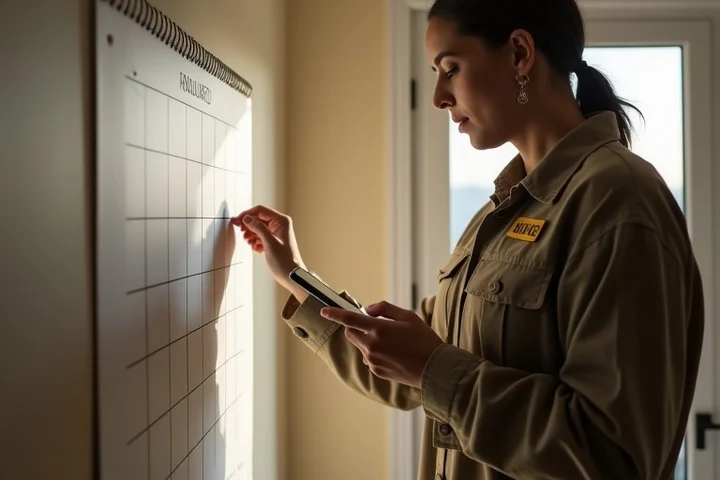
Duty, training, travel, deployments, and changing time zones can make ordinary dating habits look unreliable from the outside. A person who is used to quick replies may read a long gap as fading interest, even when you simply have limited connectivity or no control over your hours. Last-minute changes can also make a carefully planned date impossible. That is frustrating, but it does not make online dating pointless.
What helps is a general rhythm that a match can understand: when you are usually able to check in, how flexible plans may need to be, and whether an upcoming period could limit contact. You do not owe a new match a minute-by-minute account of your schedule. Still, a little context prevents them from filling silence with assumptions. When a date has to move, a sincere effort to reconnect when you can says more than a stream of apologies.
Military-specific identity and privacy considerations
The useful boundary is simple: share enough about your life to date honestly, not enough to reveal operational details. Your rank, unit, movements, deployment dates, duty location, identification card, and precise location are not dating-profile material. The same caution applies to photos that reveal identifying information, schedules, access points, or location clues. A broad description of your service and everyday interests is usually plenty at first. Personal verification can happen gradually through normal, non-sensitive contact, without sending documents or exposing information that should stay private.
Clear expectations prevent silence from becoming a mixed signal
Early on, it helps to make two things clear: what kind of relationship you are open to and what your availability is likely to look like. You might be looking for a serious relationship, companionship, or a chance to get to know someone without rushing. None of those choices is wrong. Trouble starts when one person assumes regular access and the other knows an extended absence may be coming but says nothing.
Before a deployment, training period, or major move, a match deserves a plain outline of the likely communication limits and the fact that plans may change. You do not need to promise a schedule you cannot keep. It is fair to say that contact may be uneven and to discuss whether both of you want to continue building the connection during that period. That conversation also exposes a basic compatibility issue: some people can tolerate uncertainty, and some cannot.
Warning signs of military impersonation and manufactured urgency
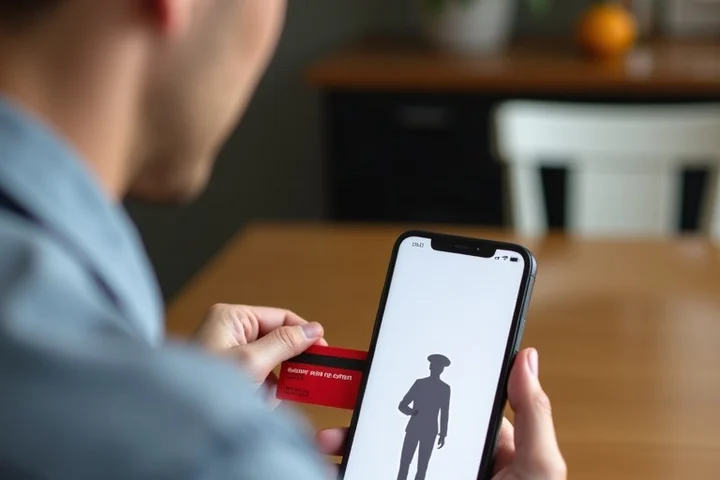
Be wary of a service story that stays vague, shifts when you ask ordinary questions, or is used to explain why normal verification is impossible. Rapid declarations of love, pressure to move off the dating platform immediately, and resistance to a reasonable, non-sensitive identity check all deserve caution. A request for money tied to travel, an emergency, a package, leave, or a supposed paid-leave problem is a major warning sign. End contact and report the account through the platform rather than trying to solve the story for them. Someone who wants a real connection can respect a normal pace and basic boundaries.
Military-focused communities or mainstream dating platforms
A military-focused dating community may make it easier to meet people who already understand relocations, uneven communication, and the practical strain of distance. That shared context can reduce the need to explain why plans shift, though it can also narrow your pool depending on where you are and how often you move. Mainstream dating platforms generally cast a wider geographic net and may offer more opportunities to meet civilians near your current area or a future destination. The tradeoff is that civilian matches may have little familiarity with military life and may need more clarity about what your schedule can realistically support. Privacy deserves the same attention on either kind of platform: a military-focused audience does not make operational details safer to share, and a larger platform does not require you to identify yourself beyond your comfort level. Neither choice resolves the relationship question for you. The better fit depends on whether shared military context, broader reach, or a mix of both matters most to your dating life.
Evidence that a match can handle distance and uncertainty
Good evidence shows up in behavior, not in grand promises. A compatible match does not demand instant replies, punish you for a necessary cancellation, or turn every quiet period into an argument. They communicate consistently when contact is possible, take your stated limits seriously, and stay interested in the actual person rather than the idea of dating someone in the military.
They also keep expectations realistic around deployments and relocations. That may mean accepting that a relationship develops more slowly, making plans with room for change, and discussing distance without pretending it will be easy. Someone who treats every duty-related delay as a personal slight is giving you useful information early. Patience is not passive; it is the willingness to build trust without demanding access you cannot safely or reasonably provide.
Dating while serving can be less tidy than dating with a fixed weekly routine, but it does not have to be a guessing game. The right match will respond to clear boundaries and realistic expectations with steadiness, not pressure. Keep sensitive details protected, communicate what you can honestly offer, and let behavior tell you who can handle the distance.