
Professional singles in Phoenix can make online dating easier to manage by checking travel, schedule fit, and romantic intent before putting serious time into a match. Start with a commute-based radius, a profile that protects work privacy, two dependable dating windows, and first-date plans that do not turn into a cross-metro project. The setup keeps dating open to interest and spontaneity without making it another demanding workstream.
Published by Match Pace
Phoenix geography turns a short mileage radius into uneven travel
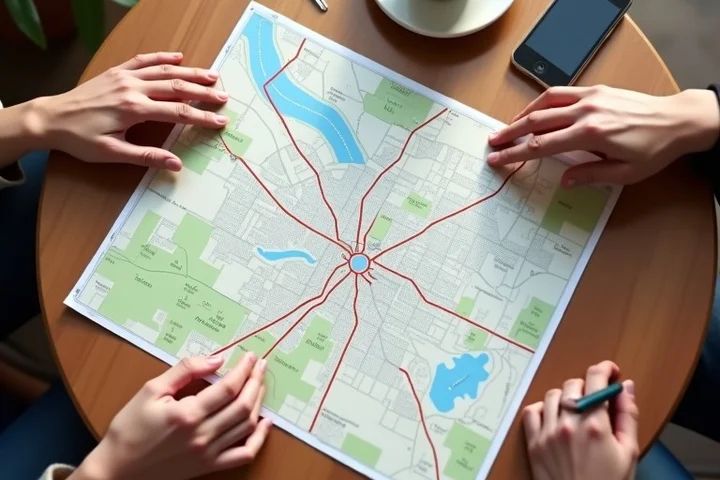
Phoenix, Arizona, calls for a location filter based on routes you actually take, not one mileage figure. A match can look nearby on a map and still require an awkward trip from your workplace, home, or usual evening area. Begin with the places that shape your week: where work ends, where you sleep, and the part of the metro where you would agree to meet on a weekday.
If you work near Downtown Phoenix and live elsewhere, a central meeting zone could serve you better than a wide radius reaching in every direction. Roosevelt Row offers a recognizable reference point when two people compare their routines. Keep profiles whose likely meeting area suits both schedules, and treat a long or uncertain route as an early compatibility question, not something to untangle after several conversations.
A polished profile can reveal too much about a professional identity
A professional profile should show how you live without becoming a searchable work biography. Career field, broad responsibilities, and work rhythm usually establish enough context: you can be ambitious, client-facing, creative, technical, or frequently scheduled without naming an employer or using a title that leads straight to a public professional page. Interests outside work often tell a date more than achievements do, especially when they show how you spend a free evening or weekend.
Leave off an early profile: employer name, client names, office building, department, work email, conference calendar, and photos with badges or identifiable workplace signs. Use a broad location until trust develops instead of naming your home or office area. If a match pushes for business details before basic dating fit is clear, take note of that choice. Professional discretion can sound warm and direct; you do not have to become guarded or vague about everything else.
When peak work periods leave only narrow dating windows
Dependable dating time matters more than an impressive plan that will never survive the week. Pick two windows that fit your normal workload: perhaps one short weekday evening near the end of your work route and one weekend block not already claimed by recovery, errands, or family duties. Include travel and a set end time; an empty calendar square does not tell the whole story. When someone’s only opening follows an unpredictable workday, begin with a brief video conversation before trying to arrange repeated in-person plans.
Compare your usual schedules early, not only the next open night. Someone near Downtown Phoenix who finishes late will have a different dating routine from someone whose evening depends on a Valley Metro connection or a long drive home. Neither schedule is wrong, but the pair needs one repeatable overlap. One reschedule can mean a busy week; repeated missed windows usually show that the timing will not hold. A short public first meeting tests the fit before either person gives up a larger weekend block.
Networking signals and romantic signals

Professional communities often overlap with dating, so state your purpose clearly. Saying you want a relationship, date intentionally, or meet a compatible partner separates a dating profile from a search for industry contacts, career advice, or social-media connections. A profile devoted to credentials, professional goals, and business travel can invite networking conversation even when romance is the aim.
The same clarity helps in early exchanges. Questions about interests, relationship goals, routines, and preferred ways to spend free time move the conversation toward personal compatibility. An invitation framed as a date, with a time and public meeting place, removes ambiguity that can arise around coffee after work. When mutual professional contacts are possible, keep work topics broad and avoid using private industry information as conversational currency. Romantic interest and professional respect can coexist without blending the two roles.
Limit app work to focused sessions
- A 15-minute session two or three times a week is enough for reviewing a small batch of new profiles. Screen first for location fit, relationship intent, and the availability clues that matter to your routine.
- A separate 10- to 15-minute session can cover replies to existing matches. Limiting active conversations prevents a full inbox from becoming another after-hours obligation.
- After enough exchange to establish basic interest and safety, a short date proposal tests whether geography and scheduling actually work. Matches that cannot identify a realistic window can remain low priority without extended messaging.
- Once a week, close conversations that have stalled, review whether your radius is producing workable options, and adjust one setting if needed. This keeps the app aligned with your Phoenix routine instead of encouraging constant checking.
Efficient first-date locations beat impressive cross-metro plans
Midpoint location
Shares the travel burden and can make a central area practical for both people.
The midpoint may still be inconvenient if one person is coming from work and the other is starting from home.
Good when both people have similar travel tolerance and a clearly agreed public meeting point.
Near-work location
Supports a short weekday date directly after work and gives the plan a natural end time.
It can expose workplace routines or feel awkward when the area is closely tied to one person's professional life.
Useful for an early, brief meeting when the person near work is comfortable with the location.
Near-home location
Reduces the host's return trip and can be easier to schedule on a weekend.
It shifts more travel to the other person and may reveal too much about a home routine too soon.
Better after both people have established comfort, with a public location rather than a home address.
Dating across Phoenix works better when the plan respects the actual shape of your week. A manageable radius, restrained professional details, repeatable availability, and plainly romantic communication reduce avoidable friction. The strongest early-date plan is usually the one both people can reach, enjoy briefly, and leave on time without rearranging an entire workday.