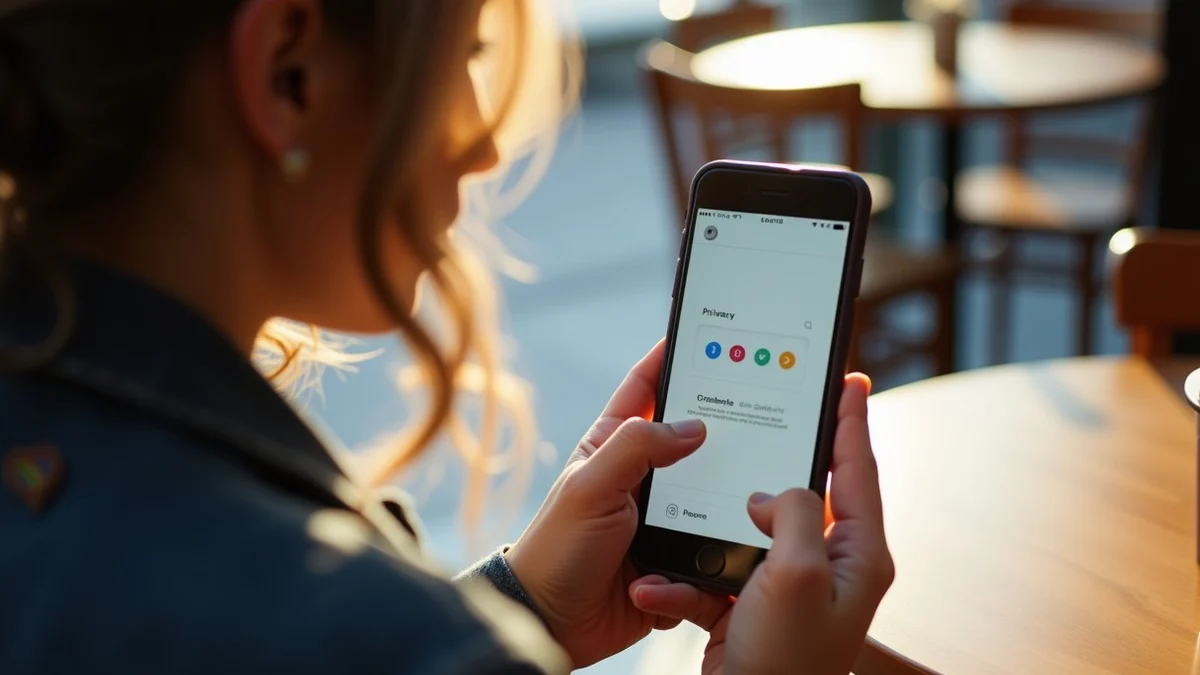
For lesbian singles dating in Denver, a safer app choice starts with privacy controls that protect orientation details, conversations, and location—not simply with a large pool of profiles. The strongest starting point is an app whose current settings let you limit profile visibility, block and report identity-based harassment, and keep early communication on-platform while you decide whether a match is credible. Queer-focused platforms such as HER, Taimi, and Lex may be worth examining alongside broader dating apps such as OkCupid and Hinge, but the useful comparison is the protection available in the version you are using now.
Published by Match Pace
Which app protections address identity-based misuse?

A platform can call itself inclusive and still leave too much in the hands of the person receiving unwanted attention. Before sharing much beyond a first name and a few general interests, look at whether orientation can be shown selectively, omitted from public-facing details, or limited to the people the app intends to match with you. Then inspect the reporting flow itself. Useful categories make room for impersonation, harassment, hateful conduct, unwanted sexual content, threats, and profiles that misrepresent a person or a couple. A generic report button is better than nothing, yet a more specific path gives context to behavior that is not merely rude but identity-based.
Blocking should remove a profile from your view and prevent further contact through the app; its settings and help materials should explain what happens after a block or report. It is also worth checking whether an app offers controls over who can send images, whether media can be removed from a conversation, and whether it warns against sharing content that could be redistributed. No app can make a screenshot impossible once another person has seen material, so privacy depends partly on restraint as well as tools. HER, Taimi, and Lex identify as LGBTQ-focused social or dating platforms, while OkCupid and Hinge are broader dating apps. That difference may shape who appears in discovery, but it does not answer the more important question: how clearly does the current app describe its response to impersonation, harassment, and abusive contact?
Inclusive design affects both privacy and match quality
Accurate gender and orientation fields have a practical value beyond self-description: they can narrow irrelevant attention before a conversation begins. In Denver, where queer community circles can overlap across dating, work, volunteering, and social life, the ability to control who sees a profile can matter as much as the matching filters. Clear community standards also set a baseline for handling fetishizing or dismissive behavior rather than treating it as a normal cost of dating online. A profile feels more trustworthy when its photos, stated interests, relationship goals, and answers form a coherent whole over time. That is a useful signal, not proof of identity. The same standard applies to a well-written profile that suddenly becomes evasive when basic details no longer line up.
When a match pushes to leave the app immediately
Moving a conversation off an app immediately can strip away the reporting, blocking, and record-keeping tools that made the platform useful in the first place. The pressure may arrive as urgency, repeated requests for a phone number, a demand to connect social accounts, or questions about whether you are out to family, colleagues, or friends. Requests for intimate images belong in the same category: once content leaves your control, the app's media settings and moderation process may have little reach. A genuine match can tolerate a measured pace and basic privacy boundaries. Someone who treats those boundaries as a problem is revealing something important, even if the profile otherwise looks appealing. Staying in the app until communication feels consistent preserves room to report behavior if it turns coercive, deceptive, or financially manipulative.
What vague profiles and sexualized messages may indicate
One thin profile does not establish bad intent. Some people disclose little because they are private, newly dating, or cautious about visibility. A pattern deserves more attention: photos that do not match the stated age or life details, repeated use of generic text, evasive replies to ordinary questions, or a profile that shifts from woman seeking woman to an undisclosed couple arrangement after contact begins. Fetishizing language, invasive questions about sexual history, and attempts to test boundaries early are equally useful signals that the conversation may not respect you.
The clearest concern is often accumulation rather than a single dramatic red flag. When details remain inconsistent and the person also pushes for secrecy, fast intimacy, or off-platform contact, blocking and reporting protects your attention as well as your account.
Denver first-meeting privacy
A first meeting in Denver needs enough public activity to feel comfortable without turning your regular life into a map for a stranger. A staffed café or similar public venue in an area such as Capitol Hill or the RiNo Art District can offer a neutral meeting point away from home and workplace routines. The exact venue matters less than the setup: public-facing staff, an easy exit, and a location neither person treats as a shortcut to the other's address. A daytime walk near Cheesman Park may feel public, but a park does not offer the same staffed setting or simple exit structure as a nearby business, especially for a first encounter.
Independent transportation keeps the end of the date in your control. Precise live-location sharing can remain off until trust has developed; a general neighborhood or venue name is usually enough for initial plans. It also helps to avoid making a first date at the place where you regularly see friends, attend programs, or participate in LGBTQ+ community life. The Center on Colfax is an important Colorado LGBTQ+ community organization, but any recurring community setting can reveal more about your routine than a new match needs to know. Privacy here is not secrecy from a promising person. It is simply a sensible pace for someone who has not yet earned access to the rest of your life.
The safest dating-app choice is usually the one that lets you be visible on your terms, makes identity-based misuse reportable, and supports a slower first conversation. In Denver, that same control should continue into the first meeting: public, neutral, and separate from the places that make up your everyday queer community.
References
- The Center on Colfax — official information — The Center on Colfax
- OkCupid — official information — OkCupid
- Hinge — official information — Hinge
- HER — official information — HER
- Lex — official information — Lex
- Taimi — official information — Taimi