
Virtual speed dating works best as a brief compatibility screen rather than a complete first date. A simple introduction, one connected topic, reciprocal conversation, and consistent notes can show whether a mutual match deserves more time. Preparation should make the video exchange easier to hear and follow, not turn it into a rehearsed performance.
Published by Match Pace
When You Have Only a Few Minutes to Connect
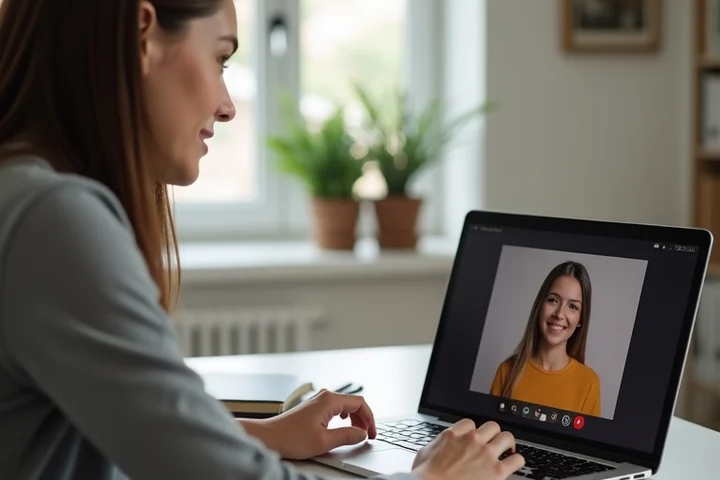
Virtual speed-dating events generally rotate participants through short video conversations, then collect private interest selections after the rounds. Rotation length, breaks, and match notification methods vary by organizer, so the event instructions determine when notes can be made and how mutual matches are handled.
A short round supports a narrow conversation arc: an introduction, one topic with a follow-up, and a brief closing. The useful outcome is not a full account of compatibility. It is enough to notice whether both people can exchange attention, build on a topic, and leave with genuine interest in another conversation.
Virtual Speed Dating Rewards Preparation Without Rehearsal
- A camera positioned near eye level, with the face centered and visible from the shoulders up, makes eye contact and expressions easier to read.
- A brief test of microphone, speaker or headphones, camera permissions, and internet connection reduces the chance that the first round becomes technical troubleshooting.
- Light facing the screen, a non-distracting background, and a recognizable display name keep attention on the exchange rather than the setting.
- A flexible introduction can cover a current interest, a broad part of daily life, and the reason for attending. It leaves room for the other person to respond rather than filling the round with a prepared summary.
What Repeated Lulls, Interruptions, or One-Sided Answers Suggest

Interest often appears as reciprocal questions, answers that add usable detail, and attention to a point raised earlier in the round. A compatible conversational rhythm does not require equal speaking time, but it does include room for both people to introduce topics and respond to them. Repeatedly short answers, topic changes without engagement, or a conversation carried by one person can indicate limited fit or limited interest.
None of those signs is conclusive in a timed video setting. Nerves, delayed audio, an unfamiliar interface, and different conversational styles can create pauses that would not occur in a longer meeting. A technical interruption matters less when the person returns to the topic or makes a clear effort to reconnect. The stronger pattern is whether the interaction becomes more mutual once the interruption or opening nerves pass.
Which Questions Reveal Compatibility Without Creating an Interview?
- Topic: Daily routines Prompt: What does a satisfying week look like outside work or major obligations? Follow Up: A shared comparison of weekends, downtime, and social energy reveals practical rhythm without treating schedules as a test.
- Topic: Current interests Prompt: What has been taking up your attention lately? Follow Up: A response about the reason behind the interest often gives more to discuss than a list of hobbies.
- Topic: Preferred pace Prompt: How do you usually like to spend a free evening or day off? Follow Up: The answer can open a mutual exchange about quieter activities, groups, outdoor time, or spontaneous plans.
- Topic: Dating intentions Prompt: What made virtual speed dating appealing at this point? Follow Up: This frames relationship intentions through the event itself and allows each person to state what they hope to find.
- Topic: Shared possibilities Prompt: What kind of activity do you enjoy enough to do regularly? Follow Up: Specifics such as cooking, live events, volunteering, or exploring a neighborhood give a later conversation a natural thread.
Record Your Impressions Before the Next Round Blurs Them
A short note after each round preserves details that are easy to confuse after several conversations. A useful format contains the person’s name or identifying detail, one topic discussed, the conversational dynamic, and a simple interest decision. The dynamic can be recorded in plain terms: reciprocal, pleasant but unclear, difficult to hear, or not enough shared direction. Notes work better as memory aids than as detailed judgments made from a few minutes.
After a mutual match, a low-pressure follow-up can refer to one specific topic from the exchange and express interest in continuing it. The message need not recreate the full conversation or establish compatibility immediately. Its purpose is to show recognition, reopen the strongest thread from the round, and leave space for the other person to choose whether to continue. A delayed or brief reply does not explain itself; the next exchange provides more useful information than the speed-dating round alone.
Virtual speed dating is most useful when it separates conversational ease and basic alignment from a polished first impression. Reliable setup, flexible questions, restrained interpretation, and brief factual notes make the limited time easier to use well.