
Christian singles in Salt Lake City can communicate compatibility more clearly by naming LDS or non-LDS identity, denomination, current worship practice, and marriage intentions instead of relying on a broad Christian label. Platform filters can separate faith identity from relationship goals where available, while early conversations clarify family plans and interfaith limits. A Salt Lake Valley radius tied to work, worship, and weekends keeps promising matches practical.
Published by Match Pace
Signs That a Shared Christian Label May Hide Major Differences

- Difference: LDS and non-LDS identity Dating Implication: A generic Christian filter can combine people with distinct expectations. Clear identity language prevents an assumed match from carrying more meaning than intended.
- Difference: Denomination and congregation Dating Implication: A named denomination, non-denominational identity, or current congregation context may indicate whether shared worship matters to the relationship.
- Difference: Worship rhythm Dating Implication: Weekly attendance, occasional participation, home-based practice, and limited involvement can produce different schedules and priorities.
- Difference: Spiritual authority and decision-making Dating Implication: People may differ in how directly faith, religious leaders, scripture, or personal conscience shape major choices.
- Difference: Lifestyle commitments Dating Implication: Personal practices around social life, holidays, service, and community participation can affect ordinary compatibility.
- Difference: Relationship expectations Dating Implication: Marriage ceremony preferences, religious upbringing for children, and the role of extended family often need more detail than a profile badge provides.
Salt Lake City Profiles Benefit From Specific Faith Language
Specific faith language reduces mistaken assumptions in Salt Lake City dating. A profile can identify LDS, another Christian denomination, non-denominational Christianity, or openness to an interfaith relationship, then describe current participation rather than an aspirational identity. Useful detail includes the place of worship in a typical week, community or service involvement, and the role faith has in decisions about relationships, family, and daily life. This description is more informative than a broad Christian label without making the profile a statement of doctrine.
When Marriage and Family Plans Need Early Clarity
Marriage intent belongs near the beginning of a promising exchange because faith compatibility often includes a shared view of commitment and family life. Early discussion can establish whether each person seeks marriage, their openness to children or blended families, and the pace that feels responsible. Divorced people and those dating after a significant relationship may also have established parenting, financial, or family obligations that affect timing. Direct but limited disclosure keeps these subjects from becoming an interview while avoiding emotional investment in incompatible plans.
Mixed Signals Often Come From Unstated Interfaith Limits
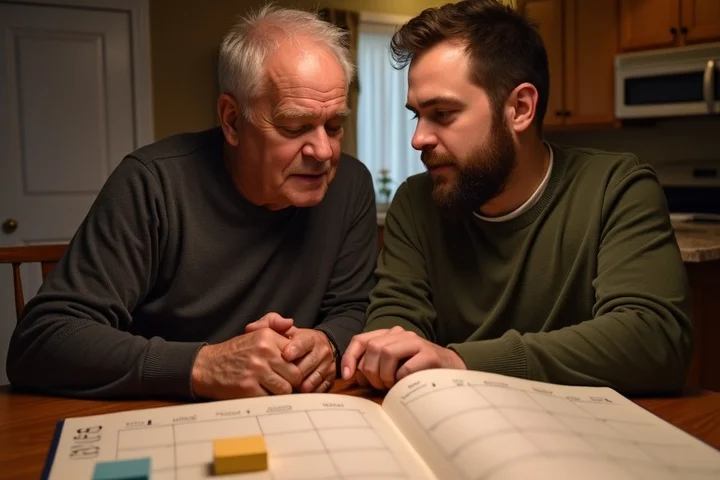
Mixed signals often concern a limit that has never been named, not a disagreement that needs to be argued. Temple participation, church attendance, religious ceremonies, conversion hopes, and the role of family approval can affect whether a relationship is workable. A reference to Temple Square or to temple participation does not, by itself, establish what a person expects from a partner. The relevant distinction is whether participation is personal, shared, expected of a spouse, or unrelated to dating eligibility. Similar clarity matters when one person attends church regularly and the other identifies culturally, intermittently, or through another Christian tradition. Respectful interfaith boundaries cover what each person can support without misrepresenting belief: attending services or family occasions, raising children, participating in holiday traditions, and discussing faith with relatives. They also cover limits, including whether conversion is expected, whether a wedding or other religious ceremony has requirements, and whether family approval materially affects the relationship timeline. These subjects belong before repeated dates or an assumption of exclusivity, but they do not require a doctrinal examination. Clear descriptions of personal practice, non-negotiables, and room for difference allow both people to decline a mismatch without treating the other's faith as a defect. In Salt Lake City, where LDS and non-LDS Christian identities may appear under the same broad search category, this directness prevents a profile badge from carrying more meaning than it can support.
Faith Compatibility Questions That Reveal Daily Practice
Three compatibility questions reveal more than labels: how worship and community involvement fit an ordinary week; how holidays, family gatherings, and children would be approached; and how faith informs major decisions, conflict, and service. A fourth can cover the degree of comfort with a partner's different denomination or practice. Open descriptions rather than a test of doctrine show whether daily life has compatible rhythms.
Define a Realistic Salt Lake Valley Radius
- Approximate home, work, and worship areas provide safer and more useful map anchors than an exact address. A radius centered only on home can hide an impractical weekday route.
- Downtown Salt Lake City and Sugar House may be convenient in different weeks depending on work and weekend routines. The useful radius reflects both people's usual routes, not a one-time trip.
- A viable Salt Lake Valley radius supports the frequency of in-person meetings both people can maintain around worship, family obligations, and work.
Faith-Focused Platforms Offer Precision While Mainstream Apps Offer Reach
Platform type affects what can be screened before a conversation, not whether two people ultimately practice faith compatibly. Current local activity can change, so a search result is only an initial pool.
| Decision Factor | Faith Focused Platform | Mainstream App | Salt Lake City Use |
|---|---|---|---|
| Denomination fields | May provide faith-specific identity or denomination categories. | May use broad religion fields or leave most detail to profile text. | Specific LDS or non-LDS wording remains useful even when a dedicated field is available. |
| Local activity | A narrower audience can make local filters more precise but may produce a smaller pool. | A broader audience may expand the Salt Lake Valley pool while requiring more profile review. | Distance and active-profile signals need review before treating a match as realistically local. |
| Relationship intentions | May place marriage-oriented preferences alongside faith identity. | May offer separate filters for relationship goals and family plans. | Faith and marriage intent need alignment in both formats; one filter does not establish the other. |
| Nuanced belief | A dedicated faith setting can establish an initial category. | Profile text may allow more room for individual practice and interfaith openness. | Brief wording about worship, family expectations, and boundaries supplies the detail that categories cannot. |
Clear LDS or non-LDS language, ordinary-practice detail, and early family-boundary discussion make local matching more efficient. A workable Salt Lake Valley radius then supports meetings that fit worship, work, and family routines rather than creating compatibility on paper only.
Useful official links
- Salt Lake City, Utah — official information — Salt Lake City, Utah