
Dating after the death of a spouse does not require a fixed timetable or a fully resolved grief process. Widows and widowers in Little Rock can reenter gradually by sharing only the personal history they choose, setting limits for messaging and meetings, and using local channels that do not imply immediate commitment. The useful measure is whether a new connection can be treated as its own relationship rather than as a substitute or comparison.
Published by Match Pace
Readiness after spousal loss is personal rather than calendar-based
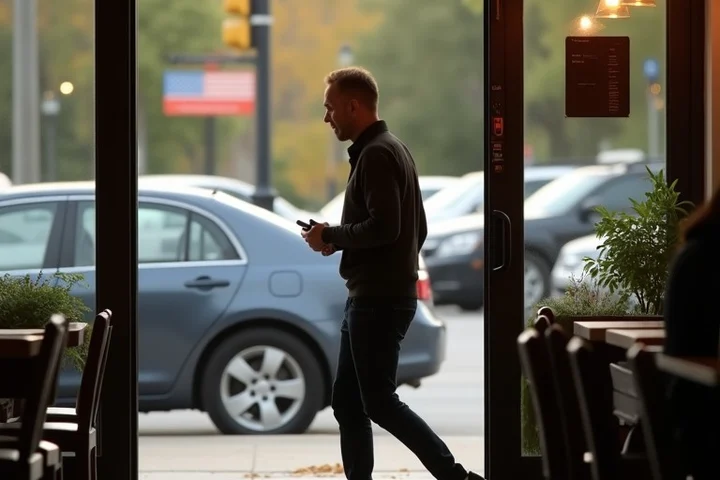
Readiness concerns capacity, not elapsed time. A person may still miss a late spouse, mark difficult dates, or speak about the marriage with affection and still be ready to meet someone. Ongoing grief does not disqualify a person from dating. The relevant distinction is whether dating feels like a chosen part of present life rather than an attempt to erase loss, satisfy outside pressure, or fill every unstructured hour.
Practical indicators include being able to state a current relationship goal, tolerate the uncertainty of a new connection, and leave a date without treating its outcome as a judgment on the former marriage. A modest pace can protect that clarity: limited app time, one conversation at a time, or brief public meetings. Pausing after an uncomfortable interaction is also compatible with dating; it provides information about pace rather than proof of unreadiness.
How much should a profile say about widowhood?
A profile can mention widowhood briefly, provide limited context, or leave it for an early conversation. A short status statement establishes honesty for people who regard relationship history as important. Limited context can clarify that someone is returning to dating thoughtfully and has room for a new connection. Neither approach requires details about a spouse's death, family circumstances, photographs, medical history, or memorial plans.
The rest of the profile should describe present interests, preferred pace, and relationship intentions. This keeps widowhood from becoming the whole account of a person while reducing the chance that a match mistakes privacy for secrecy. Personal details can be added when a conversation has shown basic respect and reciprocal interest, not merely because a match asks for them.
When a new connection asks about a late spouse
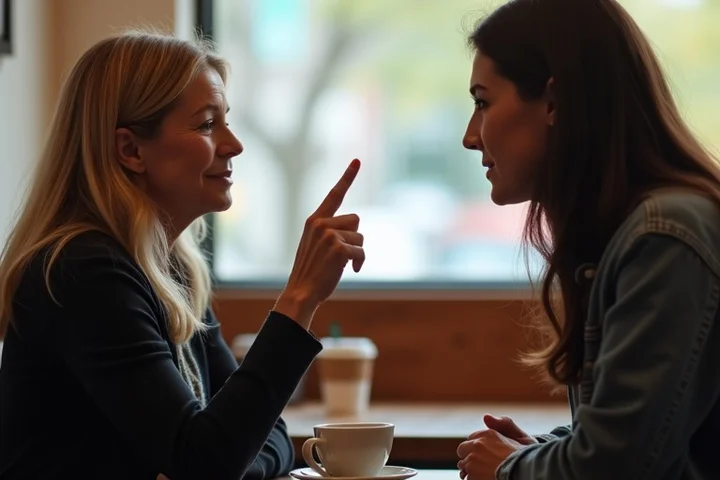
A late spouse is relevant personal history, not a required first-conversation topic. A concise answer can acknowledge the marriage and identify the amount of detail available at that stage. Questions about the death, finances, family disagreements, or intimate comparisons may be premature. Declining those questions or moving the conversation to current interests sets a reasonable boundary.
Comparison boundaries matter after disclosure as well. A new person need not resemble a late spouse, and a date need not compete with a past marriage. Discussion is more useful when it concerns present compatibility, communication, schedules, and relationship goals. Repeated pressure for details or comparisons is a reason to slow or end the connection.
Little Rock channels with room for a gradual reentry
- Channel: General dating apps with local distance settings Pace: Messaging can remain limited before any meeting, and a match does not create an obligation to progress quickly. Local Use: A Little Rock location preference can keep early conversations practical for public meetings. Keep contact on the platform until basic trust is established, and treat requests for money or financial information as a serious warning sign.
- Channel: Interest-based community activities Pace: Shared activity provides conversation without defining the encounter as a date or requiring a relationship decision. Local Use: Central Arkansas Library System is a useful local reference point for community program and event listings. Its central-Arkansas focus can help identify activities built around reading, learning, or other interests rather than dating alone.
- Channel: Faith communities and affiliated social groups Pace: Regular attendance permits familiarity to develop across several ordinary interactions. Local Use: This channel suits people who want beliefs, service, or community participation to be visible parts of compatibility. It also allows a person to decide privately when a social acquaintance has become a dating prospect.
- Channel: Introductions through trusted friends Pace: A friend can make an introduction without managing the connection after the first exchange. Local Use: A short public meeting in a familiar Little Rock setting, such as the Arkansas Museum of Fine Arts, keeps an early date time-bounded and low-stakes. The introduction should not create pressure to report back to the mutual friend or continue after a lack of fit.
For widows and widowers in Little Rock, a measured return to dating can include honest disclosure, narrow privacy boundaries, and connections that leave room for ordinary life. Grief and interest in a future relationship can coexist. A suitable pace is one that preserves both personal history and the independence of each new connection.