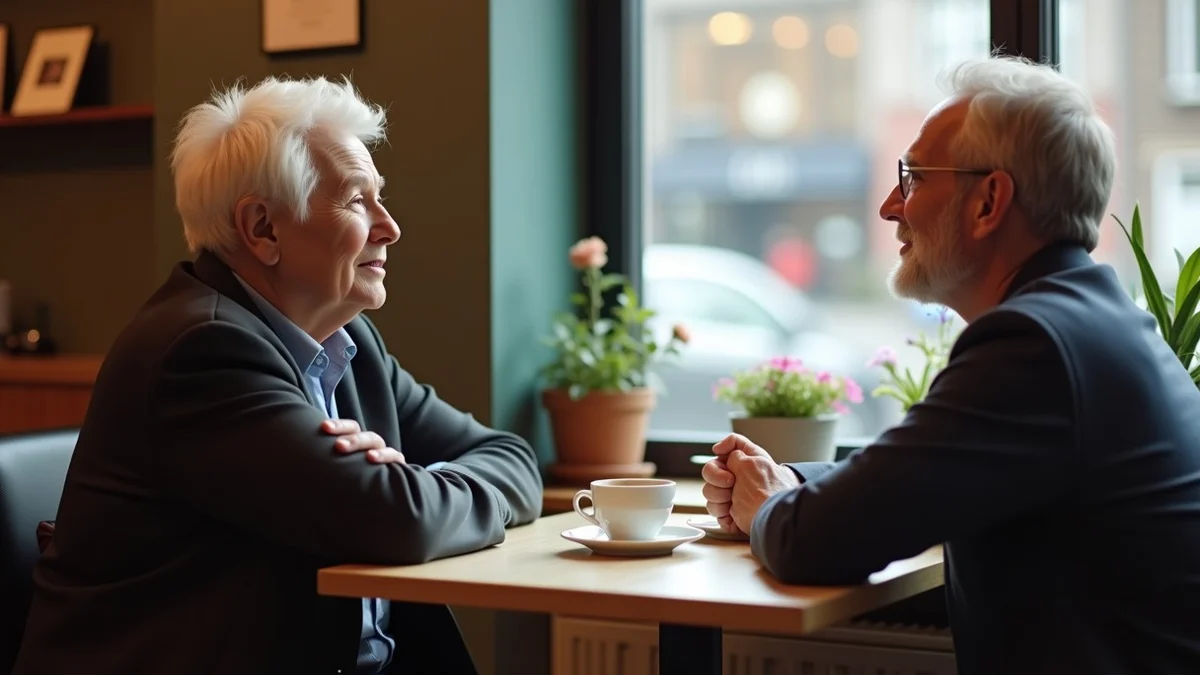
Dating for widows and widowers can begin when you have room for curiosity about another person, not when anyone else decides enough time has passed. You can honor a late partner and still make room for a new connection, provided your profile, conversations, and pace reflect where you truly are now. Online dating works better when it is treated as a series of small choices rather than a declaration that grief is over.
Published by Match Pace
Dating after loss has no universal timetable
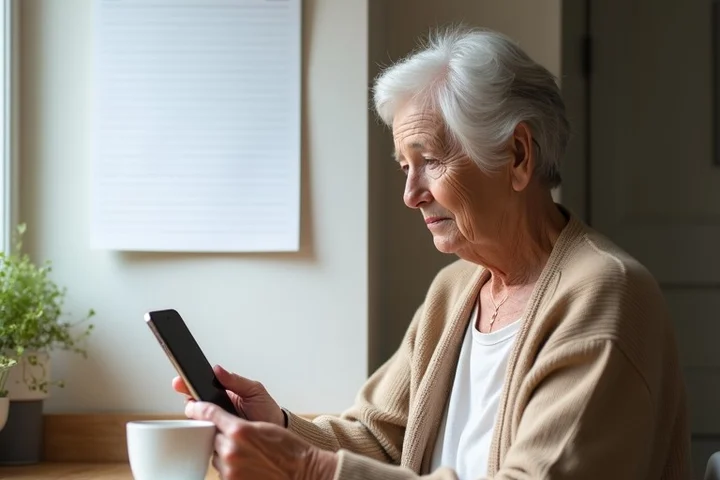
There is no respectable number of months or years that proves you are ready to date. Readiness tends to look more ordinary than dramatic: you feel some genuine interest in meeting people, can give a conversation your attention, and are not opening an account mainly to satisfy family, friends, or loneliness on a difficult day.
You may still miss your spouse deeply. That does not automatically mean dating is premature. The more useful question is whether a new person would be entering a life with some emotional space available, rather than being asked to carry the full weight of an absence.
When grief and interest in someone new coexist
A pleasant exchange can bring up sadness, guilt, excitement, or a sudden feeling that you are doing something disloyal. Those reactions can arrive together, sometimes after a good first conversation or just when a match starts to matter. They are not proof that you have failed at grieving or that you should swear off dating. They are a sign that this part of life has real emotional stakes. A memory, an anniversary, a favorite restaurant, or a question about past relationships may hit harder than expected. You do not have to turn that moment into a major decision about the future of the match. Slowing the rhythm is often enough. Fewer messages for a few days, a later call, or a pause before planning a date can give you room to notice what you feel without disappearing into it. If you do pause, the important thing is simple honesty about your availability rather than a detailed account of your grief. Someone who is a good fit can tolerate a measured pace. Someone who treats a temporary slowdown as a personal insult is giving you useful information early. Dating after loss is not a straight line from sadness to readiness; it is more likely to be a life where both loss and interest remain present in different proportions.
Profile language for widowhood and present intentions
Your profile does not need to become a memorial, but widowhood is usually relevant context once you are looking for a meaningful connection. A brief, matter-of-fact reference is enough. It tells matches that your relationship history includes loss without asking strangers to process it before they know you.
Put more of the profile toward the present: the kind of connection you want, how you spend your time, and what makes conversation enjoyable for you. Where a dating platform offers relationship-intention settings, choose the option that most closely matches your current interest rather than the one that sounds most decisive. You may be open to a serious relationship while still wanting to date gradually.
Leaving out every mention of widowhood can create an awkward reveal later, especially if it shapes your pace or availability. At the same time, dates, medical details, and the full story of your spouse's death belong only in conversation if and when you want to share them.
Honoring a late partner without comparing every new match
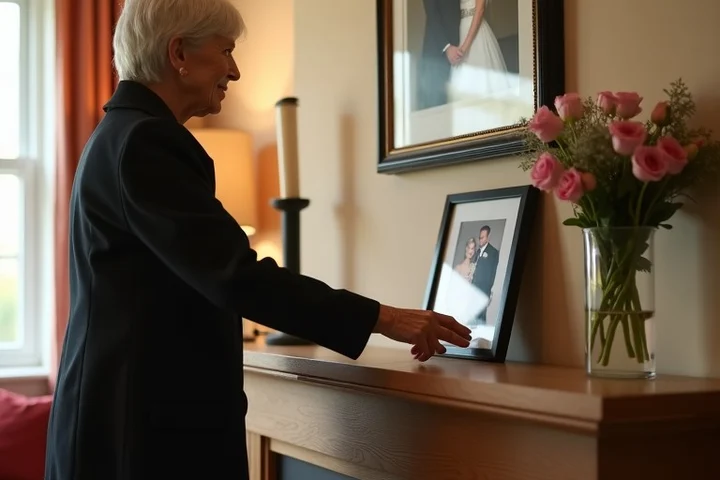
A late partner may come up naturally when you talk about travel, family traditions, hobbies, or the years that formed you. There is nothing wrong with that. A respectful match may ask about your spouse with care, and you can answer at the depth that feels right. The trouble begins when every topic returns to the old relationship or when a new person is measured against it in real time. Nobody wants to feel they are auditioning against someone they cannot possibly know. You can speak warmly about what your marriage meant without turning it into a scorecard for a new date. If a trait or habit reminds you of your spouse, notice it privately before announcing the comparison. The useful part of a memory may be what it tells you about your own values: perhaps you value steadiness, humor, shared routines, or kindness. Those are fair things to seek again. Demanding that someone recreate a particular person is not. It also helps to separate remembrance from disclosure. You may keep photos, traditions, and private rituals that matter to you without making every new match responsible for affirming them. The right person does not need to erase your past, but they do deserve to be encountered as themselves.
Explain your pace before assumptions take over
Early clarity prevents a great deal of needless hurt. Your pace can include how often you want to message, whether you are dating more than one person, when exclusivity would feel appropriate, and what level of physical affection feels comfortable. It can also cover family introductions and dates that carry emotional weight, such as an anniversary, birthday, or holiday tied to your late partner.
You do not owe a detailed defense of any boundary. A person who knows you need a quieter week, a slower transition to in-person dating, or time before meeting family has enough information to respond respectfully. Vagueness tends to invite assumptions; a simple boundary gives both people something real to work with.
Behavior that shows respect for bereavement boundaries
Good signs are usually calm ones. A respectful match asks rather than pries, accepts that your feelings may shift, and does not act threatened when your late partner is mentioned. They can be interested in your life now without demanding proof that the past has been packed away. They also understand that a delayed reply or a changed plan may sometimes reflect a difficult day, not a game.
Less promising behavior is more revealing. Pressure to become exclusive quickly, impatience about physical intimacy, complaints that you talk about your spouse too much after only limited mention, or jealousy toward someone who has died all point to a poor fit. So does anyone who leans hard on your loneliness, pushes for private information, or frames themselves as the person who will fix your grief. That is not romance. It is pressure dressed up as urgency.
You are looking for someone who can hold two truths at once: your spouse mattered, and a new relationship could matter too. That capacity is more valuable than a person who says all the right things but cannot respect the pace those truths require.
Before you move on
Do I need to say how long ago my spouse died in my profile?
No. The timing is personal information, not a required profile detail. It may become relevant later, but a profile only needs enough context to represent your relationship history honestly.
Should I use photos that include my late spouse?
For an active dating profile, photos centered on you make the clearest introduction. Shared photos can carry important memories privately without asking a prospective match to enter that history before meeting you.
What if I match with someone who has never experienced bereavement?
They do not need identical experience to be considerate. What matters is whether they listen, respect your limits, and avoid treating grief as a problem they need to solve.
Starting again after widowhood does not require replacing what you had or pretending loss no longer affects you. It asks for a pace you can sustain and a person who can meet the life you actually have. That is a sensible standard, not too much to ask.